

It’s been a little over a year since Mpathy Clinic opened a branch at the Orange Farm taxi rank in the south of Johannesburg. The thought behind this private-public-partnership was simple: men aren’t going to public health facilities, so meet them where they are.
“I have a past operation on my chest which often pains. I used to go for treatment at the local clinic, but I stopped because of poor service. I had to stand in a long queue, spend hours at the clinic and sometimes lose a day. For me, no work means no pay,” taxi marshal Lebohang Letswalo tells Health-e News.
The clinic was established following discussions between the Orange Farm United Taxi Association and the City of Johannesburg Health District, following concerns of HIV and TB amongst taxi drivers.
Rhiza Ventures, a holding company that provides private healthcare services, partnered with the city and the taxi association to open Mphaty clinic.
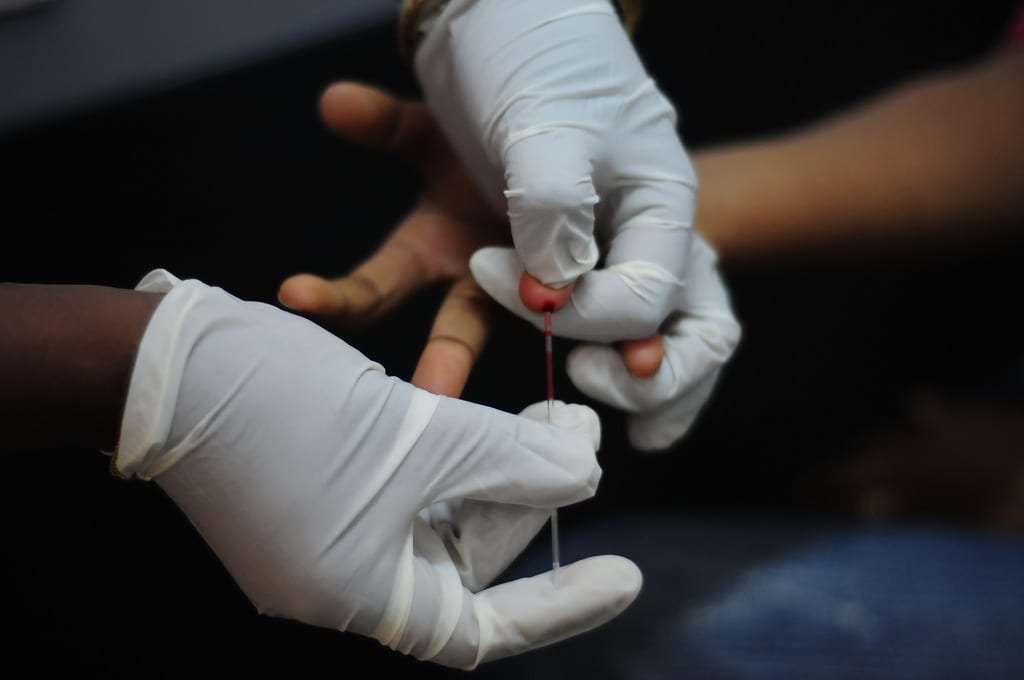
“With the availability of the clinic at the rank, I can easily go and consult while on duty, get assistance quickly and go back to work,” says Letswalo. “I do HIV, hypertension, diabetes, cancer screening and tests more often. I’m no longer reluctant to go to the clinic. On Wednesdays, I attend a men’s support group where I am empowered and receive psychosocial support as a young man.”
The initial aim was to reach men, but now the clinic is open to anyone who needs healthcare. The cost of services range from R100-R300.
“Being a driver is not easy. I start work at 4am and finish at 9pm, half of my life I’m on the road, there’s no time to go to the clinic,” says Goodman Motha. “The clinic’s operating hours allow me to schedule the right time for consultations.”
The clinic operates from 9am to 5pm on weekdays, and from 9am to 1pm on two Saturdays a month.
“Even when I get sick during work hours, I no longer get frustrated, I know I will consult while waiting for my turn to take passengers at the rank without spending long hours before receiving help,” he says.
But it’s not only marshals and taxi drivers who benefit. Motha says they often rely on the facility in case of emergencies or if passengers fall ill.
“As a driver, I was hesitant about having a clinic at the rank, because of how traditional clinics treat us. But this clinic has exceeded my expectations,” says Motha.
Orange Farm Taxi Association secretary, Mthembeni Ndaba, tells Health-e News that they noticed a lot of drivers had TB and HIV, but were reluctant to seek care.
“We then looked for a solution, and we began to advocate for the clinic at the rank,” he says.
“In addition to medical care, the drivers also receive education and empowerment through programmes and campaigns, which happen most of the time in the rank. Hypertension, TB, HIV and cancer screening happen often at the rank and daily at the clinic. Distribution of condoms is done more often, and there is a mental health support group.”
This clinic was initially opened on a one-year contract, but it has since been extended for another year.
“We saw the response of men accessing healthcare services daily at the rank clinic. We have not received any complaints about the clinic. Nurses also advise drivers on times to consult so that their taxi work is not affected and they can consult properly without interruption,” says marketing manager at Rhiza holdings, Lungile Khambule. – Health-e News
Lerato Kodisang from Orange Farm, is a mental health facilitator, a former deputy chairperson for research sector in Gauteng for SANAC civil society forum, and a freelance journalist.








 English (US) ·