

For Tovhowani Makondo (34) from Hakhakhu Tshifume in Limpopo’s Vhembe
District, living with HIV is rooted in a painful past marked by rejection, loneliness and the daily struggle to survive in a community that did not accept her identity.
Born a boy, Makondo – who also goes by the name “Queen Beyonce” – was always different. While the other boys were playing soccer, Makondo preferred playing with the girls.
Makondo dressed in girls’ clothing and started wearing make-up as soon as she could. Her behaviour didn’t sit well with many residents in her village.

“My community did not accept me,” she tells Health-e News. “A lot was going on – I was experiencing life challenges, bullying, rejection, and being insulted daily.”
In 2009, Makondo dropped out of school. She was in Grade 9.
She recalls being called names, laughed at in public and rejected by family members – experiences that eventually became unbearable. With no support system and nowhere to turn, she ran away from home.
“I started going around looking for opportunities so that I could pay bills for myself and find myself again,” she says. “And I travelled many places like Polokwane, Thohoyandou and Gauteng.”
In 2014, aged 20, overwhelmed by emotional distress, alcohol abuse and isolation, Makondo was admitted to Weskoppies Hospital, a specialised psychiatric hospital in Pretoria.
“I ended up being at Weskoppies because of heavy drinking. I couldn’t stand it anymore, I couldn’t face many people,” she says.
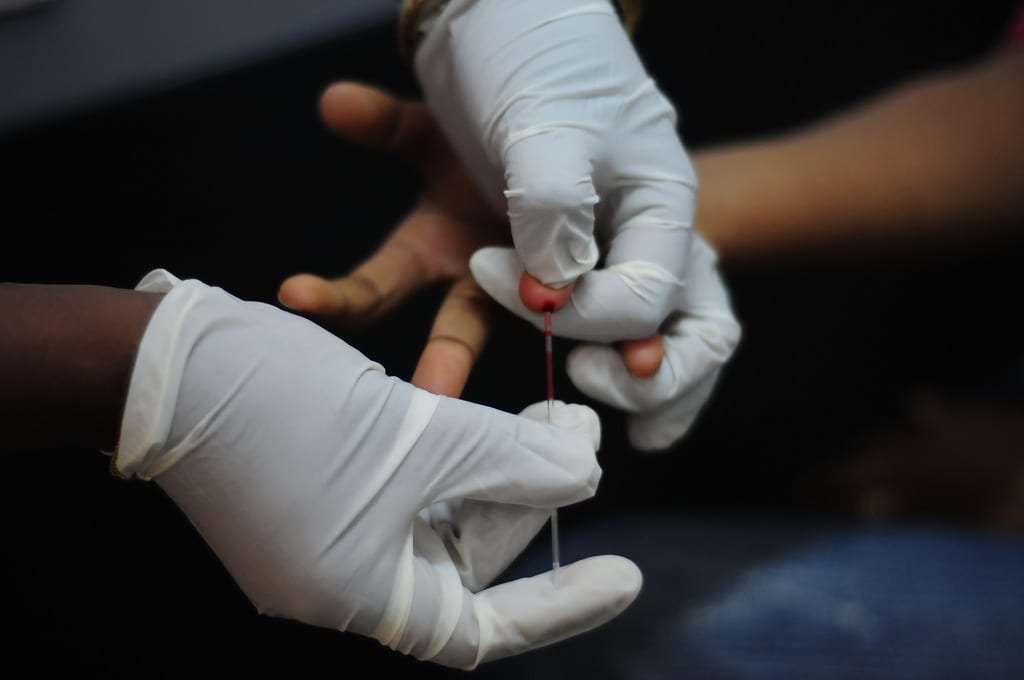
It was during her admission that she was diagnosed with HIV.
Key populations
The diagnosis didn’t come as much of a surprise to Makondo; she engaged in unsafe sexual relationships as a way to survive.
“I was not forced into sex work,” she stresses. “I went there on my own, out of desperation.”
The World Health Organisation estimates that transgender women are 13 times more likely to have HIV than other adults of the same age. In South Africa, HIV prevalence among sex workers is higher than in the general population.
At the time, she had no stable place to stay and relied on temporary accommodation, often sleeping wherever she could find shelter. She says she slept with men in exchange for money to afford food and a place to stay. Transactional sex has long been identified as a key driver of the HIV epidemic.
“What I remember is that I used to sleep around because I couldn’t afford some things, food and a place to stay,” she says. “I had to sleep with anyone for money. Even today, I don’t know who gave me the virus.”
Makondo admits that she had very little understanding of HIV or how it is transmitted.
“Back then, there was not much knowledge like now. I thought it didn’t exist at all,” she says.
Easy targets
Murulane Precious, founder and director of the non-profit organisation Vhembe LGBTI+ and a provincial organiser, says LGBTQI people in rural areas continue to face serious safety and social challenges.
“Many LGBTQI people in rural communities experience social isolation because there are very few support networks, organisations, or safe spaces available to them,” says Precious. “In some cases, a person may be one of the only openly LGBTQI individuals in their area, which increases stigma and discrimination in daily life.”
She says discrimination often leads to exclusion from families, religious groups, schools, and community activities, while also affecting access to housing, employment, and social participation.

“Safety also remains a major concern. Members of the LGBTQI community are exposed to verbal harassment, threats, physical assaults, and, in some extreme cases, so-called ‘corrective’ violence.
“In smaller and close-knit communities, incidents quickly become public, which places additional pressure on individuals to hide their identity,” she said.
Precious adds that access to inclusive services such as health care, schools, and social services is a major challenge in rural areas because staff lack training.
A new reality
Makondo says accepting her HIV status was extremely difficult at first. “I thought I was dying.”
She started antiretroviral treatment soon after her diagnosis. She takes her medication daily and says the treatment has been working well.
Surviving HIV has given Makondo purpose. She has chosen to speak openly to show other young people, particularly those who are LGBTQI, that an HIV diagnosis isn’t a death sentence.
“The reason why I am so open about it is that I saw that many young and old people are struggling to accept and to understand the condition,” she says. “Being HIV positive is not the end of the world.”
She believes fear of rejection continues to push many gay youth into dangerous situations, including unprotected sex and transactional relationships.
Today, she encourages young people who are homosexual not to be afraid to come out and seek support. She also warns that protection is critical. Men who have sex with men are among key populations at increased risk of HIV acquisition.
Despite the hardships she has faced, Makondo says living with HIV has taught her resilience and self-acceptance.
“Being HIV positive is not the end of you,” she said. “If I have 11 years on ARV, then you can do it. Stand brave. Stay calm. Remain strong.”
Makondo has gone back to Venda, where she’s studying marketing and is working part-time. – Health-e News
Born and raised in Nzhelele Siloam, Maanda Bele developed a love for journalism early on. His keen interest in current affairs and storytelling drives his dedication to informing and engaging audiences.









 English (US) ·