

AYIA NAPA, Cyprus — In the glass pavilion by the sea, EU leaders found themselves reaching for extra layers when it got chilly as their conversation stretched late into the evening.
Shielding Europe from the winds blowing across the continent is a taller order. Despite Thursday’s scheduled short working dinner turning into a roughly five-hour marathon, the EU’s presidents and prime ministers are no closer to working out how to respond to the world’s upheavals — or even whether they should.
Reminders of heightened tensions in the Gulf were all around them. It is a mere coincidence that this summit is happening here now — a quirk of the EU’s calendar, which forces 27 countries to pass the hosting baton every six months. A stretch of sea barely 280 miles wide separates Cyprus from the Middle East, and a warship in the crystal blue waters off Ayia Napa loomed over them, literally and metaphorically.
Over a dinner of Cypriot salad, milk-fed lamb and halloumi-stuffed ravioli, leaders including French President Emmanuel Macron and German Chancellor Friedrich Merz discussed the economic consequences of the Iran war. They left with no obvious solutions.
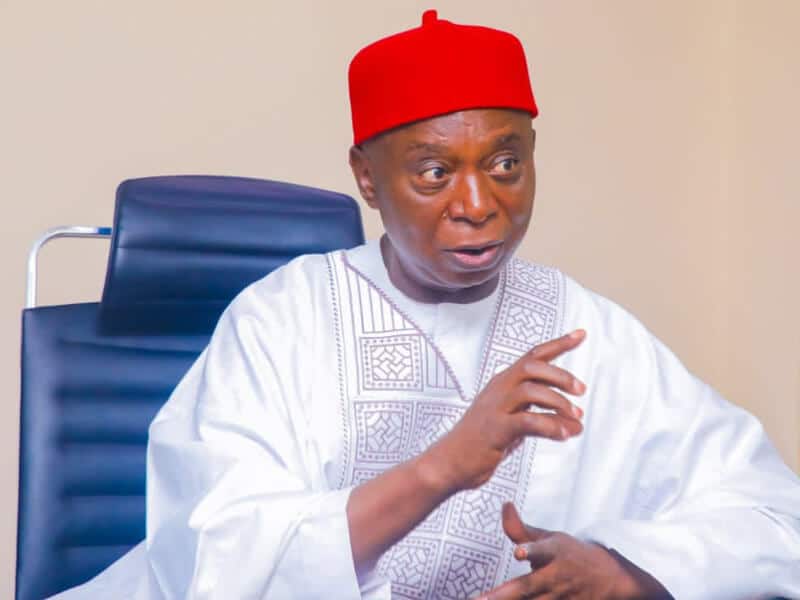
“It was just an assessment on the topic,” Romanian President Nicușor Dan told POLITICO when asked about talks on the Strait of Hormuz, where oil and gas tankers remain stranded as a standoff between the U.S. and Iran continues. Still, “it was a good discussion on the situation in the Middle East and the energy consequences.”
Walking to dinner, the leaders meandered en masse before peeling off into casual groups. Ukrainian President Volodymyr Zelenskyy, the EU’s special guest, was in deep conversation with Macron. European Commission President Ursula von der Leyen and European Council President António Costa made another duo. Italian Prime Minister Giorgia Meloni and Cypriot President Nikos Christodoulides strolled together, while EU foreign policy chief Kaja Kallas and Dutch Prime Minister Rob Jetten chatted.
 Croatian Prime Minister Andrej Plenković, French President Emmanuel Macron and his Ukrainian counterpart Volodymyr Zelenskyy on their way to a group photograph ahead of the informal meeting. | Nicolas Tucat/AFP via Getty Images
If they looked out the window from their seaside hideaway, they would have been reminded the summit comes at a tense moment for Cyprus, which has been targeted by drones and seen its airspace closed as the conflict spiraled.
Special forces patrolled the coastline in boats with mounted machine guns. The patrolling warship formed part of a naval support group that includes the British destroyer HMS Dragon.
‘We are too close’
The absence of foreign visitors is palpable in the Cypriot capital, with restaurants and shops shuttered.
“It’s the war. People stopped coming. We are too close,” said Vassilis, the manager of an upscale Nicosia bar — usually popular with tourists but now almost empty. The Cypriot government is hoping the symbolic visit will convince holidaymakers it is safe to return to the country.
The crisis was why Christodoulides was pushing for the EU’s mutual defense clause — known as Article 42.7 — to be sharpened, to give assurances about what countries can expect from their neighbors if they are attacked. Cyprus is one of four EU countries outside NATO.
“We need to have an operational plan,” said Christodoulides. But in reality, few of his fellow leaders were ready to signal the issue is a political priority, with none mentioning it on the way in.
“There needs to be shared understanding of how the clause would play out in practice,” said an EU official, granted anonymity to speak frankly. “NATO remains the bedrock of collective defense. But the EU has tools available that are complementary to NATO — such as sanctions, financial assistance and humanitarian aid — which could come into play.”
Rising costs for consumers and industry as a result of the oil and gas squeeze caused by Iran’s blockade of the strategic waterway have also got leaders worried — and they want officials in Brussels to do something about it.
“We discussed it,” was all von der Leyen would acknowledge on her way out of the room, pointing to proposals released Thursday designed to lower prices. But that was about as far as things went.
It would normally have been an hour-long drive for the leaders and their teams back to their hotels in Nicosia. But roads were jammed, with farmers setting up blockades to protest mass culling imposed to contain foot-and-mouth disease.
It was a difficult end to a long night. And on Friday morning they start again.
Sebastian Starcevic, Nektaria Stamouli, Jacopo Barigazzi and Giorgio Leali contributed to this article from Ayia Napa.









 English (US) ·